

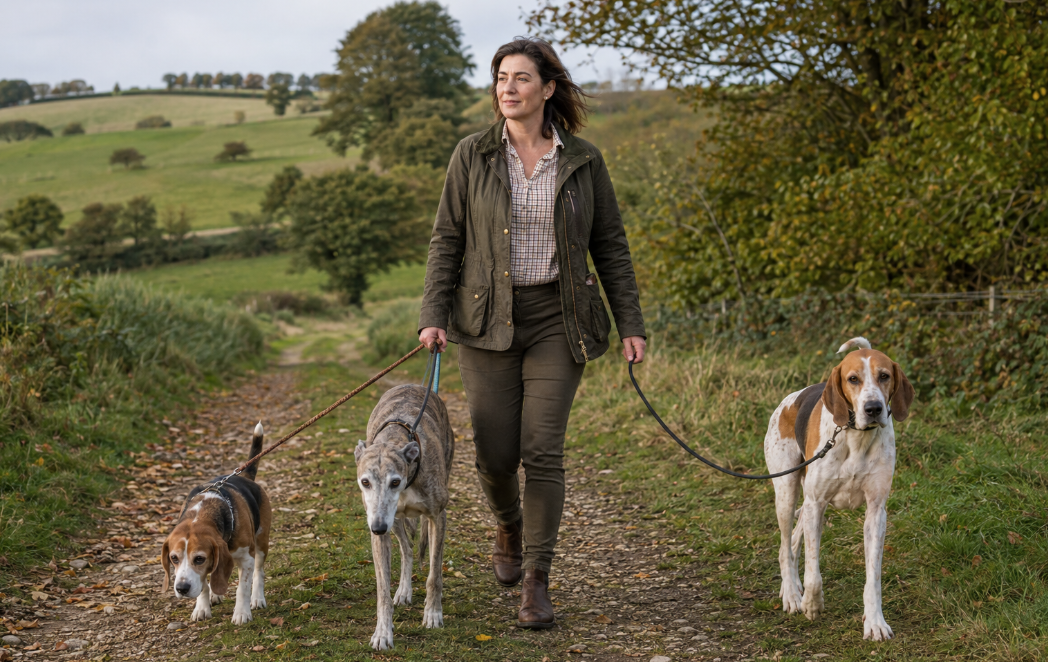
Autumn has officially arrived, bringing cooler walks, changing colours and plenty of new scents for inquisitive hounds to investigate. However, it also introduces seasonal hazards that professional hound carers and dog walkers must be prepared for.
When a hound is in your care, you are responsible for anticipating risks, preventing scavenging and recognising when something may be wrong. Understanding autumn’s dangers could also help you give a vet valuable information quickly if a hound suddenly becomes unwell.
Acorns and conkers
Fallen acorns and conkers can be tempting playthings, particularly for hounds that like carrying, chewing or swallowing objects.
Acorns can cause vomiting, diarrhoea and, less commonly, kidney or liver problems. Conkers can also cause gastrointestinal illness. Both may obstruct the gut when swallowed whole or in large pieces. Animal PoisonLine’s autumn guidance advises seeking expert advice following suspected ingestion.
Keep hounds away from heavily covered areas and never encourage games involving fallen nuts. If one is swallowed, contact the owner and a vet or Animal PoisonLine promptly. Do not attempt to make the hound vomit unless specifically instructed by a veterinary professional.
Wild mushrooms and toadstools
Wet, mild weather encourages fungi to appear in gardens, fields and woodland. Most species are not seriously harmful, but it is extremely difficult to identify them reliably, and some can cause neurological symptoms or delayed kidney and liver failure.
If a hound eats a wild mushroom, take clear photographs of the top, stem, underside and surrounding area, provided this can be done safely. Keep the hound away from any remaining fungi and contact a vet. The absence of immediate symptoms does not rule out poisoning. Animal PoisonLine recommends veterinary assessment after mushroom ingestion.
Fallen and fermenting fruit
Windfall apples, pears and plums can attract hungry or scavenging hounds. Fruit may ferment or become mouldy as it decomposes. Fermented material can expose a dog to alcohol, while mouldy fruit may contain toxins capable of causing vomiting, tremors, agitation, a raised temperature or seizures.
Fruit stones can present additional risks, so do not allow hounds to forage beneath orchard or garden trees. Be particularly careful when house sitting, where fallen fruit may have accumulated in a garden before your arrival.
Seasonal Canine Illness
Seasonal Canine Illness, commonly known as SCI, is a rare but potentially serious condition associated with woodland walks during autumn. Its cause remains unknown, so it should not be blamed automatically on harvest mites, fungi or any other single factor.
Signs can develop quickly and may include:
- Repeated vomiting
- Diarrhoea
- Unusual tiredness or weakness
- Abdominal pain
- Tremors
- Fever
- Severe dehydration
SCI is most often reported between August and November. If a hound becomes unwell during the hours or days following a woodland walk, contact the owner and a vet promptly. Tell the vet exactly where and when the hound was walked. Government woodland guidance confirms that SCI is very rare but advises contacting a vet if illness develops after a woodland visit.
Harvest mites
Harvest mites are tiny, bright-orange parasites most commonly encountered during late summer and autumn. They tend to affect the feet and legs, although they can also appear around the ears.
Look out for:
- Persistent licking or chewing
- Intense itching
- Red or inflamed skin
- Small orange dots clustered on the skin
- A hound suddenly becoming reluctant to walk
Check paws, legs, bellies and ears after walks through long grass. Report persistent itching or skin inflammation to the owner rather than applying an unfamiliar treatment. PDSA provides further guidance on harvest mites.
Ticks remain active
Ticks do not disappear as soon as summer ends. Mild weather allows them to remain active, particularly in woodland, moorland, long grass and areas regularly visited by wildlife or livestock.
Check each hound after countryside walks, paying close attention to the head, ears, neck, armpits, tummy and groin. Never squeeze or pull a tick off with your fingers. Use an appropriate tick-removal tool only if this has been agreed with the owner and you know how to use it correctly.
Some UK ticks can transmit Lyme disease. Contact the owner and seek veterinary advice if a hound appears unwell after a tick bite. PDSA’s tick guidance explains safe removal and the signs that require veterinary advice.
Slugs, snails and lungworm
Damp mornings and evenings bring slugs and snails onto paths, lawns and patios. They can carry the larvae of the potentially serious parasite Angiostrongylus vasorum, commonly known as lungworm.
Dogs may become infected by deliberately or accidentally eating slugs or snails. Hounds that eat grass, chew sticks, drink from puddles or investigate undergrowth may be at greater risk. Outdoor bowls and toys should also be brought inside and cleaned regularly.
Possible signs include coughing, breathing difficulties, unusual bleeding, tiredness, vomiting or changes in behaviour. These symptoms can have many causes, so veterinary assessment is essential. Ask owners whether their hound’s parasite treatment includes lungworm, as not every general worming product does. The Royal Kennel Club’s lungworm guide contains further information.
Adders may still be active
The European adder is the UK’s only venomous snake. Adders can remain active from February until October and may be found in long grass, woodland, heathland, moorland and coastal areas.
A curious, nose-down hound can startle an adder and may be bitten on the face, neck or lower leg. Warning signs include sudden pain, swelling, limping, drooling, vomiting, weakness or breathing difficulties.
An adder bite is an emergency. Keep the hound as still as possible, carry them if it is safe and practical, and telephone the vet immediately. Do not apply a tourniquet or attempt to treat the bite yourself. PDSA advises that every suspected adder bite requires urgent veterinary attention.
Wasps and other stinging insects
Wasps are often drawn to fallen fruit and sugary food during early autumn. A hound nosing through windfalls may disturb them and be stung on the paws, face or inside the mouth.
Watch for sudden yelping, pawing at the mouth, drooling, limping or localised swelling. Rapid swelling around the face, neck or throat, breathing difficulties, vomiting, collapse or multiple stings require immediate veterinary attention. Never give a dog a human antihistamine unless a vet has confirmed the correct product and dose. PDSA offers veterinary guidance on insect stings in dogs.
Wildlife and late-fledged birds
Although the main nesting season is associated with spring and summer, some young birds may still be fledging in September. Scenthounds and sighthounds can react very quickly when they spot or smell wildlife.
Keep hounds close and under effective control around heathland, beaches, woodland edges and areas displaying wildlife notices. The Wildlife Trusts recommends keeping dogs on leads in sensitive countryside until chicks have fledged.
This protects wildlife while also reducing the risk of a hound disappearing into cover, crossing a road or sustaining an injury during a chase.
Livestock and autumn field changes
Sheep and cattle may be moved between fields during autumn, so never assume that a familiar walking route will still be empty. Sheep also enter the autumn breeding period, known as tupping season.
Livestock worrying includes chasing, attacking or causing distress. In England and Wales, strengthened legislation that came into force in March 2026 introduced unlimited fines and additional police powers. Dogs should be kept under control and in sight, with a lead used around livestock. If cattle threaten you, official guidance advises releasing the lead so you and the dog can move to safety. Read the current government livestock-worrying guidance.
Professional carers should check routes carefully, follow local signs and never rely solely on a hound’s usual recall when livestock is present.
Shorter days and reduced visibility
As daylight hours shorten, familiar walks can become more hazardous. Hounds may be harder for motorists, cyclists and other walkers to see, while uneven ground, fallen branches and wildlife are more difficult for the carer to spot.
Carry a torch, choose well-lit routes where possible and use reflective leads, harnesses, coats or collar lights. Check that any illuminated collar is secure and does not replace the hound’s legally required identification tag.
Your professional autumn-walk checklist
Before accepting or starting a booking:
- Ask about scavenging, chase instinct and recall.
- Confirm allergies, medical conditions and parasite protection.
- Record the hound’s usual veterinary practice and an emergency contact.
- Check the weather, route, daylight and local livestock or wildlife notices.
- Carry water, waste bags, a torch and basic canine first-aid supplies.
- Use a lead or long line whenever the surroundings require greater control.
- Inspect paws, legs, belly, ears and coat after countryside walks.
- Note anything eaten, licked, bitten or encountered.
- Report unusual behaviour, sickness, itching, swelling or injury immediately.
Observe, record and act
Professional hound care is not simply about completing a walk. It means noticing changes, understanding seasonal hazards and responding calmly when something is not right.
If a hound becomes ill, record the time symptoms began, the walking location, anything the hound may have eaten and any contact with wildlife, livestock, standing water or undergrowth. Pass that information to the owner and vet promptly.
Never wait for severe symptoms if poisoning, an adder bite, breathing difficulty, repeated vomiting, collapse or a serious allergic reaction is suspected. Your knowledge of the walk may help the veterinary team reach the right decision more quickly, and that could make all the difference.
Join TallyHO Temps Today
You're invited to
TallyHO.
Want to be a TallyHO Freelancer?
