
Equine Flu: Why Equine Businesses Still Need Freelance Help, But Must Work Safely

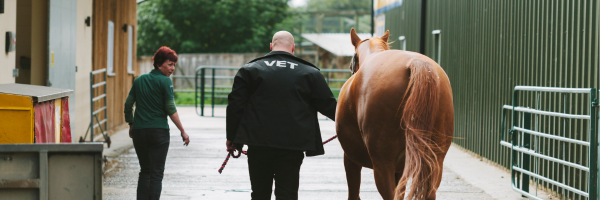
Equine flu is not something any yard, horse owner, or equine business can afford to brush off.
It is a highly contagious respiratory virus that can spread quickly through yards, livery centres, competition venues, racing yards, studs, and any environment where horses are coming and going. It can cause coughing, nasal discharge, high temperatures, loss of appetite, tiredness and poor performance, and while many horses recover with rest and veterinary care, an outbreak can still cause serious disruption.
For some horses, especially young, elderly, unvaccinated or vulnerable animals, equine flu can be much harder to manage. For businesses, it can mean cancelled lessons, restricted movement, missed shows, horses out of work, worried owners, extra vet costs and a yard routine that suddenly becomes much harder to run.
But here is the reality.
Even when equine flu is a concern, equine businesses still need people.
Horses still need feeding. Stables still need mucking out. Water buckets still need cleaning. Fields still need checking. Horses still need turning out, bringing in, monitoring and caring for. Yards do not stop functioning because there is a disease risk. In fact, when staff are off, isolating, overstretched or trying to manage extra biosecurity measures, many yards need reliable freelance help more than ever.
The answer is not to stop using freelancers altogether.
The answer is to use them properly, responsibly and with clear safeguards in place.
Why equine flu is so disruptive
Equine flu spreads easily because it can pass from horse to horse through respiratory droplets, especially when an infected horse coughs. It can also be spread indirectly through contaminated hands, clothing, boots, tack, grooming kits, buckets, mucking out tools, vehicles and shared equipment.
That means the risk is not only the horse that looks obviously unwell.
A person moving between yards without changing clothes, disinfecting boots, or washing hands properly could unknowingly carry viral particles from one place to another. This is why good hygiene and common sense are so important, especially for freelancers who may work across more than one yard.
Equine flu also has a short incubation period, which means signs can appear quickly after exposure. A yard can go from everything seeming normal to several horses coughing within days. That is what makes early action, vigilance, and honest communication so important.
Freelancers are still essential to the equine industry
It would be unrealistic to suggest that equine businesses can simply stop using outside help whenever there is a rise in equine flu cases.
Many yards have already run on tight staffing levels. Freelancers are often the difference between a yard coping and a yard becoming overwhelmed. They provide cover for illness, holidays, staff shortages, busy competition periods, foaling season, sales prep, race days, events, clipping, schooling, riding, yard work, admin, and emergency support.
Without freelance support, many equine businesses would struggle to function properly.
However, using freelancers during periods of increased disease awareness requires structure. It should not be casual or vague and it should not rely on “we’ll probably be fine.”
Clients and freelancers both have a responsibility to reduce risk.
How equine businesses can safeguard their yard when using freelancers
The first step is to be clear before the freelancer arrives.
The type of questions a client should ask the freelancer before they arrive:
Have you worked on any yard recently where horses have shown signs of coughing, nasal discharge or high temperature?
Have you been in contact with any suspected or confirmed equine flu cases?
Are you able to arrive in clean clothes and disinfected boots?
Can you use our equipment rather than your own?
These questions are not rude; they are reasonable and responsible.
Yards should also have a simple biosecurity process in place for every visiting freelancer. This could include:
- Clean clothing on arrival
- Disinfected boots before entering the yard
- Hand washing or sanitising before and after handling horses
- Using the yard’s own equipment wherever possible
- No sharing of grooming kits, buckets, tack or tools between horses unless cleaned and disinfected
- Clear instructions on which horses can be handled
- Clear instructions on any horses that are isolated, unwell or being monitored
- A sign in and sign out system for anyone visiting the yard
- What to do in case of a suspected case of equine flu
A freelancer should never be left guessing. If there are horses on the yard being monitored, horses recently arrived, or any health concerns, the client should say so before the work begins.
Vaccination still matters
Vaccination is one of the most important ways to reduce the impact of equine flu.
It does not mean a horse can never catch flu, but it can reduce the severity of disease and help reduce spread. Yards with horses that travel, compete, hunt, race, attend clinics or mix regularly with other horses should be especially alert to vaccination status and booster requirements.
Equine businesses should keep vaccination records up to date and know which horses may be more vulnerable. If in doubt, they should speak to their vet.
Freelancers cannot control a client’s vaccination programme, but they can ask whether there are any specific health or biosecurity instructions before attending.
What freelancers should do to give clients peace of mind
Freelancers have a huge opportunity here.
A freelancer who takes biosecurity seriously instantly looks more professional. It tells the client that they understand horses, risk, welfare and business responsibility.
If you are a freelancer, do not wait for the client to ask. Be proactive and reassure them that you will make sure to follow their yard’s biosecurity rules. Also, ask them if there are any horses being monitored, or any isolation areas.
It shows that you are not just turning up to do a job. You are thinking about the whole yard.
Freelancers should also keep separate clean workwear where possible, especially if working across multiple yards. Boots should be scrubbed and disinfected between yards and hands should be washed regularly.
Where possible, avoid taking your own grooming brushes, buckets, lead ropes or tools from yard to yard. If you do need to take equipment with you, make sure it is properly cleaned and disinfected before and after use.
If you have worked at a yard where horses are coughing, unwell or suspected of having equine flu, make sure to tell your next client before attending. That may mean rearranging work or taking extra precautions. It may feel awkward, but it is far better than risking another yard.
Professional freelancers protect their reputation by being transparent.
What freelancers should say on their profile
Freelancers can also use their profile to reassure potential clients.
For example:
“I take yard biosecurity seriously and arrive with clean workwear, disinfected boots and a responsible approach to horse health. I am happy to follow each yard’s own hygiene and biosecurity procedures and will always communicate honestly if I have been in contact with any unwell horses.”
This type of wording gives clients confidence. It shows maturity, professionalism and awareness.
For freelancers on TallyHO Temps, this is exactly the kind of thing that can help you stand out. Clients are not only looking for someone who can muck out, ride, groom, clip or help at short notice. They are looking for someone they can trust around their horses.
What clients should look for when booking freelancers
When booking a freelancer, clients should look for more than availability.
Ask yourself:
- Does this person communicate clearly?
- Do they understand basic biosecurity?
- Are they willing to follow yard rules?
- Do they ask sensible questions?
- Do they arrive prepared?
- Do they respect horse welfare?
The cheapest or fastest option is not always the safest. A good freelancer should make your life easier, not add another risk to manage.
That does not mean clients should panic or avoid freelancers. It means they should book carefully, communicate clearly and put sensible procedures in place.
The balance between caution and keeping yards running
Equine flu is serious, but fear does not help the industry function.
What helps is responsibility.
Yards need staff. Freelancers need work. Horses need consistent care. The equine industry cannot simply shut down every time there is a disease concern, but it can raise its standards.
The best approach is simple:
- Be honest.
- Be clean.
- Be prepared.
- Follow veterinary advice.
- Keep horses vaccinated.
- Do not share equipment unnecessarily.
- Do not move between yards casually if there is a known risk.
- Communicate before, during, and after the job.
Equine freelancers are a vital part of the industry, and when they work responsibly, they can help yards continue to operate safely during difficult periods.
Equine flu should be taken seriously, but it should not stop good freelancers and good clients from working together.
With the right precautions, freelance support can remain one of the most valuable resources for an equine business.
Join TallyHO Temps Today
You're invited to
TallyHO.
Want to be a TallyHO Freelancer?
