

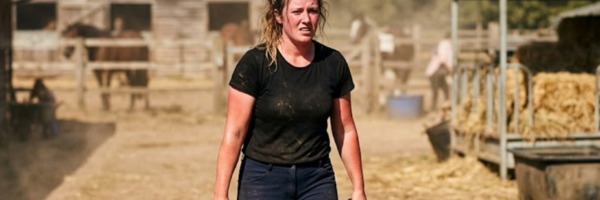
Working with horses is physical at the best of times.
Add extreme heat into the mix and a normal day can quickly become exhausting, uncomfortable and, if you are not careful, dangerous.
In the UK, we are not always used to long spells of high temperatures. Many yards are built around getting the job done, whatever the weather, but when the heat rises, freelancers need to think about their own safety just as much as the horses in their care.
Because let’s be honest, most equine people are brilliant at worrying about the horse. Is the horse too hot? Has the horse got water? Does the horse need electrolytes? Is there enough shade for the horse?
All of that matters, of course; it goes without saying. But you matter too.
If you are working as an equine freelancer, you need to take heat seriously.
Sunscreen is not optional
If you work outside, sunscreen should be part of your daily kit.
Skin cancer in the UK is on the rise, and melanoma cases have now reached a record high. That should make all of us in the equine world stop and think, because so many yard jobs mean hours outdoors, often without realising how much sun exposure we are getting.
Use SPF 30 to 50, and do not just put it on once in the morning and forget about it. Reapply it regularly, especially if you are sweating, wiping your face, washing your hands, riding, or getting covered in dust and water.
Cover everything in sunscreen:
- Face
- Ears
- Back of the neck
- Chest
- Shoulders
- Hands
- Forearms
- Back of the legs
Tops of the feet if wearing open footwear after work
A tan is not worth damaged skin. Burning is your skin telling you it has been harmed.
Wear the right hat
A hat makes a huge difference when you are working outside.
A baseball cap is better than nothing, but a wide-brimmed hat is better. Even better is one that covers the back of your neck too, especially if you are poo picking, sweeping, filling water buckets, pushing barrows, fencing, pulling weeds, or doing any job where you are bent forward in direct sun.
Your neck and ears are easy to forget, but they are often exposed for hours.
Protect your eyes
Your skin is not the only thing that needs protection.
Wear UV-protected sunglasses when it is safe and practical to do so. Bright sun, glare from concrete yards, pale surfaces, arena mirrors, vehicles, and water troughs can all be hard on your eyes.
Choose sunglasses that offer proper UV protection, not just dark lenses.
Drink more water than you think you need
By the time you feel really thirsty, you may already be getting dehydrated.
Keep a water bottle with you and sip regularly throughout the day. Do not leave it in the car or in the tack room and then forget about it until lunchtime. If you are freelancing from yard to yard, take more water than you think you will need.
Sip water proactively throughout the day rather than waiting for thirst.
Ask yourself:
Are you drinking enough?
Have you had any water since breakfast?
Is your headache actually dehydration?
Are you getting tired because you are hot, hungry, or thirsty?
You should aim to drink 1 glass (200–250 ml) of water every 15 to 20 minutes
Your body needs fluids to keep going.
Do not forget your own electrolytes
We are all used to thinking about electrolytes for horses in hot weather, but humans lose salts through sweat too.
If you are sweating a lot, water is important, but electrolytes can also help replace what your body is losing. Consider keeping rehydration tablets, electrolyte drinks or sports drinks in your bag, especially on very hot days or if you are doing heavy physical work.
This is not about being dramatic; it is about being sensible.
A freelancer who looks after themselves can work better, think clearly, remain focused, and stay safer around horses.
Take a water spray bottle
A small spray bottle can be a brilliant hot-weather yard essential.
Fill it with cool water and mist your face, neck, arms, and chest throughout the day. It is cheap, easy, and surprisingly effective, especially when there is a breeze or you are standing in shade for a few minutes.
You can also keep it in a cool bag if you are travelling between yards.
Tip: an ice pack in the cool bag.
It may sound simple, but simple things are often what keep you going.
Cool your wrists
Running ice-cold water over your wrists can help you cool down quickly.
The blood vessels are close to the surface there, so cooling your wrists can help bring your body temperature down. You can do this at an outside tap, in a wash area, or with cold water from a bottle.
You can also use a cool wet cloth on your wrists, neck, or forehead during a break.
Give your feet a break
Hot weather, long hours, and yard boots can make feet swell and ache.
If you get the chance at the end of a shift, put your feet in a bucket of cool water. It can help with swelling, soreness, and that heavy, tired feeling that comes after a long day on your feet.
If your feet are badly swollen, painful, or you feel unwell with it, do not just ignore it. Heat can put real strain on the body.
Plan the hard jobs for early morning
Where possible, do the most physical jobs before the heat builds.
That might include:
- Mucking out
- Poo picking
- Dragging fields
- Carrying hay or bedding
- Filling multiple water buckets
- Sweeping yards
- Riding
- Fence repairs
- Moving heavy equipment
If you can plan your day, save the lighter jobs for the hottest part of the afternoon. Of course, yards do not always run to a perfect timetable. Horses still need care. But small changes can make a big difference.
Work in the shade whenever you can
Seeking out shade is always sensible.
If there is a cooler place to groom, tack up, sort equipment, clean buckets, roll bandages or take a break, use it.
If you are a freelancer, it can feel awkward to suggest changing the order of jobs, but in extreme heat, staying safe matters. Good clients should understand that hot weather working needs common sense.
You are not much use to anyone if you push yourself until you feel faint.
Use a wearable fan
A battery-operated fan that sits around your neck or shoulders can be a useful accessory in hot weather.
It will not replace proper hydration, sunscreen or breaks, but it can make physical work more manageable, especially when you are mucking out, sweeping, or travelling between yards.
Keep it charged and make it part of your summer kit.
Eat properly, even when you are busy
Hot weather can sometimes make you feel less hungry, but working on a yard without eating properly is asking for trouble.
You need food that gives you energy and nutrition, not just a coffee and a packet of crisps grabbed in a rush.
Try to take food that is easy to eat between jobs, such as:
- Sandwiches or wraps
- Pasta or rice pots
- Fruit
- Yoghurt
- Nuts
- Cereal bars
- Boiled eggs
- Cold chicken
- Salads with protein
- Water-rich foods like melon, cucumber, or oranges
Make time to eat. A tired, hungry, overheated freelancer is more likely to make mistakes, and around horses, mistakes can be serious.
Remember to pack it into a cool bag with icepacks. If there is a fridge on site, then get it in there immediately. The last thing you want is an upset tummy from food heated up by the sun.
Know the signs that you are getting too hot
Heat exhaustion can creep up on you.
Watch for:
- Dizziness
- Headache
- Feeling sick
- Heavy sweating
- Weakness
- Muscle cramps
- Fast breathing
- Fast pulse
- Feeling unusually tired
- Confusion
- Clammy skin
- Feeling faint
If you feel dizzy or faint, stop. Sit or lie down somewhere cool and raise your feet above your heart if you can. Drink cool water or a rehydration drink. Cool yourself with water, a spray bottle, cold cloths or wrapped cold packs.
Do not try to “just finish the job” if your body is telling you something is wrong.
If symptoms do not improve after cooling down, or if someone becomes confused, very hot, has a seizure, loses consciousness, or stops sweating despite being hot, it could be heatstroke. That is an emergency and call for help.
Be honest with clients
Freelancers often feel pressure to prove themselves, especially if they are new to a client or hoping to be booked again.
But professional does not mean ignoring your own safety.
In extreme heat, it is perfectly reasonable to say:
“I’ll get the heavier jobs done first before it gets hotter.”
“I’m going to take five minutes in the shade and drink some water.”
“I’ll do the physical jobs early and the lighter jobs later.”
Clients need freelancers who are reliable, sensible and safe around horses. Knowing when to pace yourself is part of that.
Pack a hot weather freelancer kit
If you are working on different yards, it helps to have a summer kit ready to go.
You could include:
- SPF 30 to 50 sunscreen
- Refillable water bottle
- Electrolyte tablets or rehydration sachets
- Water spray bottle
- Wide-brimmed hat or neck-covering hat
- UV-protected sunglasses
- Lightweight long-sleeved top
- Spare socks
- Cooling towel
- Battery-operated fan
- Healthy snacks
- Small first aid kit
- Clean change of top
- Phone charger or power bank
This is especially useful if you are travelling between yards and cannot rely on each place having what you need.
Look out for each other
If you see another freelancer, groom, rider, instructor or yard worker looking flushed, wobbly, confused or unwell, check on them. Offer water. Suggest shade. Tell someone on the yard if you are worried.
The same goes for yourself. Do not wait until you are really struggling before you take action.
The horses need you well
In hot weather, the welfare of the horse depends on the well-being of the person caring for it.
You cannot give your best care if you are dehydrated, sunburnt, dizzy, hungry or overheated.
Wear the sunscreen. Drink the water. Take the electrolytes. Cool your wrists. Wear the hat. Eat the food. Step into the shade.
Working with horses will always involve early mornings, hard graft and weather that does not care about your plans for the day. But extreme heat needs respect.
Look after yourself properly.
Join TallyHO Temps Today
You're invited to
TallyHO.
Want to be a TallyHO Freelancer?
