
How to Tell Your Clients You're Increasing Your Prices (Without Losing Their Business)

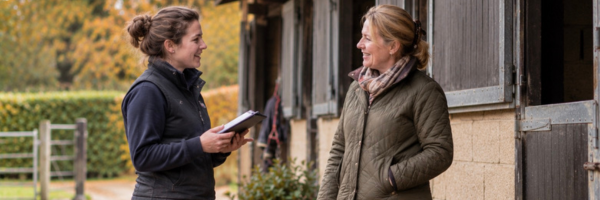
Why is saying "I'm increasing my prices" so hard?
Whether you care for horses, walk hounds, work on a busy yard, or house sit at rural properties, there comes a time whenevery freelancer has to have that slightly awkward conversation: "I'm increasing my prices."
It's probably one of the conversations freelancers dread the most. You've built good relationships with your clients, some of whom you've worked with for years. You know their horses, their hounds, their routines, and perhaps even their families. The last thing you want to do is upset them by announcing that you're going to charge more.
But here's the thing. If you're still charging the same rates you were two or three years ago, there's a good chance you're earning less in real terms than you were back then.
Fuel, insurance, vehicle maintenance, equipment, feed for your own animals, and everyday living costs have all put pressure on household and business budgets. Yet many freelancers continue charging their old rates because they'reworried about how clients will react.
So how do you increase your prices fairly, professionally and confidently, without risking the relationships you've worked so hard to build?
First, Are You Actually Charging Enough?
Before announcing a price increase, it's worth taking a proper look at what your work is costing you.
Imagine you're charging £15 an hour for yard work. You drive 20 minutes each way, use your own vehicle, pay for your insurance, and spend time organising bookings and communicating with clients.
That £15 isn't really £15 in your pocket.
And what about the jobs that take longer than expected? The horse that won't come in from the field, the hound that needs an extra walk, or the house-sitting booking where you're asked to do a few additional jobs that weren't originally agreed?
Those little extras add up.
Ask yourself: If I were starting my freelance business today, would I charge the rates I'm currently charging?
If the answer is no, it's probably time to review them.
When Is the Best Time to Tell Clients You're Increasing Your Prices?
The biggest mistake is leaving it until the last minute.
Nobody likes being told on a Friday that their regular Monday morning yard cover is going to cost more.
As a general rule, aim to give regular clients at least four weeks' notice. For clients who book you several times a week or have long-standing arrangements, six to eight weeks may be more appropriate.
This gives them time to adjust their budgets, discuss alternative arrangements or ask questions.
October and November can be sensible months to announce new rates coming into effect in January. Equally, the beginning of the financial year in April is another natural opportunity to review prices.
However, there's no rule that says you must wait until January or April. If your costs have increased significantly, you may need to act sooner.
Just remember to honour any prices you've already agreed for confirmed bookings, unless your booking terms clearly allow a change.
Should You Telephone, Email or WhatsApp Your Clients?
There's no single correct answer because it depends on the relationship you have with each client.
Email: Probably the most professional approach, particularly if you work for several yards, kennels or rural property owners. It gives clients something in writing that they can refer back to.
WhatsApp: Perfectly acceptable if this is how you normally communicate with your clients. Keep the message friendly but professional and make sure the new rates and start date are clear.
Telephone: Often best for long-standing clients or those you think might be concerned about the increase. A conversation allows you to explain the changes and answer questions immediately.
Face to face: If you see a client regularly, you might prefer to mention the change during your normal visit, followed by a written confirmation.
Whatever method you choose, don't apologise repeatedly for increasing your prices. You're running a business, and reviewing your rates is a normal part of doing so.
What Should You Actually Say?
Keep it simple, friendly, and confident. You don't need to provide a breakdown of your personal finances or explain every expense you've incurred.
Here's an example you could adapt.
Hi [Name],
I just wanted to give you plenty of notice that I'll be reviewing my freelance rates from 1 January.
I've managed to keep my prices the same for some time, but with the increasing costs of running my business, I now need to make a few adjustments.
From January, my hourly rate will be £18 instead of £16.
I really appreciate your continued support and the trust you place in me to look after your horses/hound/ animals. I hope giving you advance notice makes it easier to plan.
Thank you again, and please feel free to get in touch if you have any questions.
Notice what this message doesn't do. It doesn't apologise for the increase, ask permission, or leave the decision open for negotiation.
It's polite, professional and clear.
Could You Increase Your Prices Without Increasing Your Hourly Rate?
Absolutely. And this is where a little creative thinking can make a difference.
Not every price increase has to involve raising your basic hourly rate. Sometimes restructuring how you charge is a more sensible approach.
Here are several options worth considering.
1. Introduce a Mileage Charge
Perhaps you currently charge £16 an hour regardless of whether the yard is five minutes away or 40 minutes away.
With fuel and vehicle costs, that may no longer be sustainable.
You could keep your hourly rate at £16 but introduce a travel charge of, for example, 45p per mile for journeys beyond a specified distance.
A client who lives nearby may notice little difference, while someone further away contributes towards the additional costs of reaching their property.
Be completely transparent about how mileage is calculated, whether you charge for one-way or return journeys, and whether there's a minimum distance before the charge applies.
Remember, a mileage allowance used for tax purposes isn't necessarily the correct commercial rate to charge a client. Work out your actual costs and set a sensible price.
2. Introduce Different Rates for Different Days
Not every day of the week has the same demand.
For example, you might decide to introduce the following structure:
Tuesday and Wednesday £17
Monday, Thursday and Friday £18
Saturday and Sunday £20
Bank holidays £25
Christmas Day and New Year's Day £30
These are illustrative rates.
Your own rates should reflect your experience, location, costs and the work involved. This gives clients choices.
Someone who regularly books you on a Friday might decide to move their booking to a Tuesday to benefit from a lower rate.
It also recognises that weekends and public holidays are valuable working days when demand for reliable animal care may be higher.
Of course, horses and hounds still need looking after seven days a week, so any pricing structure must reflect the needs ofyour clients and your own availability.
3. Offer Existing Clients a Three-Month Transition Period
This can work particularly well if you're worried about upsetting long-standing clients.
For example:
Your new hourly rate is increasing from £16 to £18.
However, you're happy to offer existing clients their current £16 rate for another three months if they're able to move their regular bookings to Tuesdays or Wednesdays.
This achieves several things. It rewards their loyalty, gives them time to adjust and helps you fill quieter days in your diary.
Importantly, it also gives you a clear end date for the old rate.
You're not agreeing to work at the old price indefinitely.
4. Introduce Minimum Booking Charges
Do you regularly travel to a yard for a job that only takes 60 minutes?
Perhaps someone needs their horses turned out, a couple of stables skipped out or the hounds fed while they're away.
The actual work might take very little time, but your travel, preparation and administration still cost money.
You could introduce a minimum two-hour booking or a fixed call-out fee.
For example, rather than charging £16 for a an hour visit could introduce a £32 minimum visit charge.
This can make short bookings much more financially worthwhile.
5. Charge More for Additional Responsibilities
Not all animal care jobs involve the same level of responsibility.
Looking after two retired horses living out is quite different from working on a competition yard with several horses in full work.
Similarly, walking two family hounds is different from caring for working hounds with feeding, cleaning, exercising and other responsibilities.
Rural house sitting can involve much more than simply staying overnight.
You might be responsible for checking livestock, supervising contractors, securing outbuildings, administering animal medication where appropriate, maintaining routines and responding to unexpected problems.
Consider having different rates for different levels of responsibility rather than one flat fee for everything.
The important thing is to agree exactly what's included before the booking begins.
What About Christmas, Easter and Bank Holidays?
Christmas Day, Boxing Day, New Year's Day, Easter and bank holidays are all times when many freelancers would prefer to be with their families or enjoying a break themselves.
Yet horses still need feeding, stables still need mucking out, and hounds still need exercising and caring for.
If you're prepared to work on these dates, it's reasonable to charge a premium.
You could introduce a holiday rate, a fixed daily supplement or a different price for overnight house sitting during peak holiday periods.
Make sure clients know these rates before they book.
And remember, you don't have to work Christmas Day simply because a client asks you to. Being self-employed means you can decide which dates you're prepared to offer.
What If a Client Gets Annoyed About the Increase?
This is probably the biggest fear of all.
You tell a client that your hourly rate is increasing, and they respond with something like:
"That's a bit steep. You've always charged me £15. Can't you just keep it the same for me?"
Suddenly, you feel awkward, and you don't want to lose them. You also don't want to appear unreasonable, and before you know it, you've agreed to continue working at the old rate.
Here's something worth remembering.
A client being disappointed about a price increase doesn't automatically mean you're being unfair. They may have their own financial pressures, and it's perfectly understandable that they don't want to pay more.
But your business has costs too.
You can acknowledge their concerns without immediately abandoning your decision.
Try saying:
I completely understand that nobody likes paying more, and I really appreciate how long you've been booking me.
Unfortunately, my costs have increased, and I need to make sure my rates reflect what it costs to provide a reliable service.
I'd love to continue working with you, so perhaps we could look at whether changing the days or frequency of your bookings would help keep the costs manageable.
You're showing understanding while maintaining your position.
What If You Lose a Client?
It's possible. And that's something every freelancer needs to consider.
Not every client will accept an increase, even a relatively small one.
But before deciding that losing a client would be a disaster, look at what that client is actually worth to your business.
Let's imagine you work ten hours a week for someone at £15 an hour.
That's £150 a week before expenses.
You increase your rate to £18, but the client decides not to continue.
Initially, losing £150 a week feels frightening.
However, if you can replace those ten hours with another client paying £18, you'll earn £180 a week for the same number of working hours.
Of course, finding replacement work isn't always immediate. That's why it's sensible to review your client base, local demand and financial position before making changes.
You might also discover that the clients who take up the most time, frequently change arrangements or expect unpaid extras are actually the least profitable.
Losing a client isn't always a sign that you've made the wrong decision.
Sometimes it creates space for better-paid, more suitable work.
What If You Simply Don't Have the Confidence to Stand Your Ground?
Confidence is something that grows with experience.
If you're used to putting clients' needs before your own, increasing your prices can feel uncomfortable.
But think about the responsibility involved in your work.
You're being trusted with valuable horses, much-loved hounds, expensive equipment, rural properties and sometimes an entire yard or household routine.
You may be working alone in all weathers, getting up before dawn, working weekends and dealing with situations that require genuine knowledge and experience.
One useful exercise is to decide on your new prices before you contact anyone. Write them down, work out why they're necessary, and decide whether there are any circumstances in which you'd offer a different rate.
That way, if someone challenges you, you're not making a rushed decision under pressure.
Should Loyal Clients Get a Better Rate?
There's nothing wrong with rewarding loyalty, provided it makes business sense.
A client who books you for 20 hours every week, pays promptly, and provides consistent work might reasonably receive a different rate from someone who books you for an occasional one-hour visit.
You might consider offering a regular-booking rate, a discounted half-day or full-day package, or a temporary loyalty rate.
However, be careful not to confuse loyalty with an obligation to keep your prices unchanged forever.
A client who has used your services for five years has also benefited from five years of your reliability, experience andcommitment.
That relationship works both ways.
Don't Forget to Update Your Prices Everywhere
Once you've decided on your new rates, make sure they're consistent across your business.
That includes your TallyHO Temps profile, any services you advertise, your booking information, social media pages andany written price lists.
If you have clients who regularly book you in advance, make it clear which rate applies to which dates.
It's also worth reviewing your cancellation terms, travel charges, minimum booking periods and holiday rates at the same time.
Having clear prices and terms from the beginning avoids uncomfortable discussions later.
Finally, Remember Why You Became a Freelancer
For many people working with horses and hounds, freelancing offers freedom, flexibility and the opportunity to build a business around something they genuinely enjoy.
But that freedom can disappear very quickly if you're constantly working long hours, travelling miles between jobs and struggling to make the numbers add up.
You might love the horses you care for, and you might adore the hounds you walk. You might also have clients you've known for years.
None of that means you should be expected to work at rates that no longer cover your costs or properly reward your time.
Increasing your prices doesn't mean you're becoming greedy, difficult or less committed. It means you're recognising that your experience, reliability and hard work have a value.
If you've been putting off the price increase conversation for months, perhaps now is the time to have it.
Because the longer you leave an unsustainable rate unchanged, the harder it can become to run the freelance business you worked so hard to build.
Make Sure Your TallyHO Temps Profile Reflects Your Value
Whether you offer horse care, hound care, yard cover, riding, or rural house sitting, your TallyHO Temps profile is an opportunity to show prospective clients exactly what you offer.
Keep your services, experience, availability, and rates up to date so clients understand what they're booking and what they can expect.
And if you're reviewing your prices, remember that you can also review how you present your services.
A well-written profile that highlights your skills, reliability and experience can help potential clients understand why choosing the right freelancer is about much more than finding the cheapest hourly rate.
Join TallyHO Temps Today
You're invited to
TallyHO.
Want to be a TallyHO Freelancer?
